

 1256 Kundenrezensionen
 Nach dem Kauf
Ihre Aufbage: Egal welche Version für C_TS452 Prüfung Sie wählen, was Sie nach dem Kauf tun müssen, ist, durch fleißiges Lernen alle richtigen Antworten im Fragenbogen im Kopf zu behalten. Angesichts der hohen Abdeckungsrate würden Sie bei der realen C_TS452 Prüfung fremden Übungen selten begegnen.
Unsere Pflicht: Unser sorgfältiger Kundendienst beginnt erst, nachdem Sie die echte SAP C_TS452 Prüfungsfragen gekauft haben. Unser Kundenservice arbeitet rund um die Uhr. Hinzu hommt, dass unsere IT-Experten überprüfen überprüfen tägöich, ob sich der Inhalt dieser SAP Zertifizierungsprüfung aktualisiert. Solange es irgend eine Veränderung gibt, werden wir Sie sofort per E-mail mitteilen, damit Ihre SAP C_TS452 Prüfung nicht beeinflusst wird. Und diese kostenlose Aktualisierung dauert ein jahr lang. Ein Jahr später zugestehen wir Ihnen 50% Rabatt, wenn Sie dieser Service weiter brauchen würden.
Über Rückerstattung: Wegen der veränderung der Prüfungsdaten und der Aktualisierung des Inhalts der SAP C_TS452 Prüfung, was wir nicht kontrolieren können, gibt es leider noch eine sehr geringe Möglichkeit, dass Sie die SAP C_TS452 Prüfung nicht schaffen könnten. Trotzdem versprechen wir Ihnen, dass Ihre Erfolgsquote höher als 98% beträgt. Hinzu kommt, dass Sie bei uns in den Genuss einer vollen Rückerstattung kommen könnten, solange Sie uns Ihr von dem Prüfungszentrum gesiegelten SAP C_TS452 Prüfungszeugnis zeigen. Nach der Bestätigung wird die Rückerstattung in Kraft treten.
Regelmäßige Rabatte: Ab und zu ergreifen wir verkaufsfördernde Maßnahme, indem wir 10% bis 20% Rabatte auf die bevorstehende SAP C_TS452 Prüfung (SAP Certified - SAP S/4HANA Cloud Private Edition, Sourcing and Procurement). Die Mitteilung wird per E-mail an Sie geschickt. Bitte überprüfen Sie Ihre E-mail regelmäßg, damit Sie solche Nachricht nicht verpassen.
Vor dem Kauf
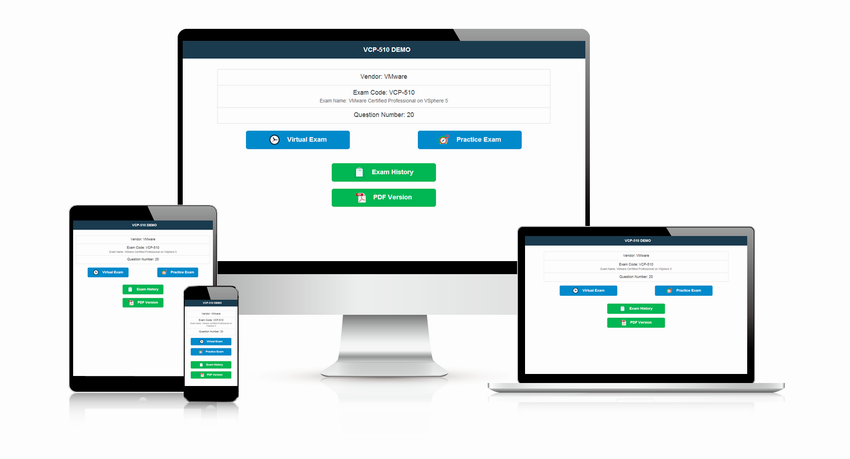
Ablauf des Kaufens: Wären Sie bereit, die C_TS452 Prüfung abzulegen, dann machen Sie zuerst eine Recherche, indem Sie den Exam-Code auf unserer Webseite eingeben. Danach steht Ihnen zunächst ein kostenloses Demo zu C_TS452 zur Verfügung, mit dem Sie die Qualität unserer Produkte im Voraus erleben können. Natürlich können Sie es selbst herunterladen. Wären Sie damit zufrieden, dann müssen Sie eine Wahl treffen, was für eine Version Ihnen am besten gefällt. Denn Wir haben drei Versionen entwickelt: PDF, APP (Online Test Engine), und PC Simulationssoftware.
C_TS452 PDF: Die von uns von Angfang an angebotene C_TS452 PDF Version ist immer die Beliebteste. Ihr Preis ist auch günstig. PDF Version ist druckbar, daher können Sie alle echten Fragen zur C_TS452 Prüfung auf dem Papier lesen. Manchen gefällt diese traditionelle Lernweise am besten.

PC C_TS452 Simulationssoftware: Der größte Vorteil dieser Version liegt darin, dass Sie im voraus die reale C_TS452 Prüfung zu Hause simulieren können, so würden Sie mit dem C_TS452 Prozess vertrauter und weniger nervös sein. Es kann in mehrere Computers heruntergeladen werden, aber nur auf dem Windowsbetriebssystem ist es nutzbar.
APP (C_TS452 Online Test Engine): Es ist sozusagen, dass diese Version alle Vorteile der obengenannten Versionen kobiniert. Dieses App App wird automatisch die von Ihr falsch geschriebenen Übungen makieren, damit Sie später noch einmal wiederholen und keinen Fehler machen.
Einfach und bequem zu kaufen: Um Ihren Kauf abzuschließen, gibt es zuvor nur ein paar Schritte. Nachdem Sie unser Produkt per E-mail empfangen, herunterladen Sie die Anhänge darin, danach beginnen Sie, fleißig und konzentriert zu lernen!
Beim Bezahlen: Unser Zahlungsmittel ist „Credit Card“, die die größte und zuverlässigste Zahlungplattform der Welt ist. Das heißt, Debitkarte, Kreditkarte oder Kontonummer sind zugänglich. Ganz einfach und sicher. Sie brauchen keine Sorge um Ihre finaziellen Interesse zu machen.
SAP C_TS452 Prüfungsthemen:
| Abschnitt | Ziele |
|---|---|
| Analysen und Berichtswesen | - Wichtige Kennzahlen und Analysen im Beschaffungswesen - Berichtswerkzeuge im Beschaffungsbereich von SAP S/4HANA |
| Konfiguration und Systemeinstellungen | - Anpassung der Beschaffungsprozesse und zentrale Einstellungen - Unternehmensstruktur im Bereich Beschaffung und Lieferantenmanagement in S/4HANA |
| Integration mit Bestands- und Lagerverwaltung | - Bestandsumbuchungen und Warenbewegungen - Einbindung in die Prozesse der Bestandsführung |
| Beschaffungsprozesse | - Bestellanforderungen und Bestellungen - End-to-End-Beschaffungsprozess in SAP S/4HANA Cloud Private Edition - Wareneingang und Rechnungsprüfung |
| Lieferantenfindung und Lieferantenmanagement | - Lieferantenermittlung und Quotenvereinbarungen - Lieferantenbewertung und Aufnahme in das Lieferantenportfolio |
SAP Certified - SAP S/4HANA Cloud Private Edition, Sourcing and Procurement C_TS452 Prüfungsfragen mit Lösungen
<strong>CHALLENGE 2 — Planning-Linked Replenishment Stability for Recurring Consumption</strong> A reviewer notes that recurring assembly demand can still be processed under two viable approaches: one follows the intended planning-linked procurement path, and the other relies on recurring buyer intervention that keeps materials flowing but reduces repeatability. Which route should guide promotion readiness?
- A. Use the buyer-intervention route because any method that keeps the assembly line supplied is acceptable during SIT
- B. Use the buyer-intervention route for shared components and the planning-linked path for all local materials
- C. Use the planning-linked procurement path unless it prevents recurring demand from being processed in a workable operational sequence
- D. Keep both replenishment approaches available so plants can choose based on stock pressure
Antwort: C 🗳️
Erklärung: (Nur für EchteFrage-Mitglieder sichtbar)
A cleaning-products distributor is replacing a spreadsheet-based min-max replenishment tracker with standard planning in SAP S/4HANA Cloud Private Edition. For most branch-managed consumables, the nightly planning run creates proposals correctly, and buyers can continue into downstream procurement testing. However, for one family of seasonal cleaning kits that was migrated from the legacy tracker, the planning log shows the items as “outside planning scope” in a newly onboarded branch even though the branch has recent withdrawals and stock below the expected replenishment point. The same item family creates proposals in a stabilized branch, and items created directly in the new model behave normally.
The program sponsor wants the legacy tracker retired on schedule. Branch planners must not continue parallel manual replenishment beyond the current transition phase, and no custom planning logic may be introduced because additional branches will adopt the same standard model.
What is the most appropriate first action?
- A. Increase the nightly planning frequency for the new branch so the seasonal kits are recalculated more often.
- B. Verify whether the transferred seasonal kits have the required branch-specific planning parameters and scope assignments to participate in standard replenishment planning.
- C. Ask the branch planners to continue the legacy tracker for the seasonal kits until all branches complete transition.
- D. Rebuild supplier-source settings because items outside planning scope usually originate in downstream purchasing-source inconsistencies.
Antwort: B 🗳️
Erklärung: (Nur für EchteFrage-Mitglieder sichtbar)
A distribution business has completed basic inventory management setup in SAP S/4HANA Cloud Private Edition and is running physical inventory tests before cutover. Warehouse users can create inventory documents, but when differences are posted for one storage location, the posting fails with a status mismatch after a recent transport import. In the same plant, another storage location processes successfully. The project team confirms that users have the required operational role and that the inventory document itself was created correctly.
A junior consultant suggests repeating the count process from the beginning, while the cutover manager wants a fix that preserves standard process control and prevents the same issue during production migration.
Which action is most appropriate?
- A. Grant broader inventory authorizations to warehouse users because posting failures usually indicate restricted execution rights.
- B. Post the differences manually in finance to keep the stock adjustment aligned while the logistics issue is reviewed later.
- C. Restart the entire physical inventory cycle for the affected storage location so the failed status is reset before cutover.
- D. Review whether the recent transport introduced a storage-location-specific configuration inconsistency affecting inventory difference posting.
Antwort: D 🗳️
Erklärung: (Nur für EchteFrage-Mitglieder sichtbar)
A logistics-services company is validating subsequent debit processing in SAP S/4HANA Cloud Private Edition after harmonizing invoice controls across multiple purchasing teams. Standard purchase orders, goods receipts, and regular supplier invoices post correctly. For most carriers, subsequent debits linked to freight-related purchasing documents also move through the expected process. However, for one carrier segment in a newly harmonized purchasing area, users can enter the subsequent debit document, but the system keeps it in a blocked review state instead of continuing through the normal follow-on processing path.
The same carrier segment worked in the earlier template area before harmonization. The finance owner wants a controlled correction before shared-services expansion. Manual off-system adjustments are not allowed, and the solution must remain standard and transportable for the next rollout phase.
Which action should the consultant take first?
- A. Recreate the related purchase orders because blocked subsequent debits usually begin with buyer-side document-entry inconsistencies.
- B. Review whether the harmonized control settings for invoice verification and follow-on processing are correctly aligned for the affected carrier segment and subsequent debit scenario.
- C. Broaden finance authorization so the blocked debit documents can bypass the review state during posting.
- D. Ask the shared-services team to post the subsequent debits manually until the harmonized purchasing area is fully stabilized.
Antwort: B 🗳️
Erklärung: (Nur für EchteFrage-Mitglieder sichtbar)
A facilities-equipment company is validating automatic conversion of approved purchase requisitions into standard purchase orders in SAP S/4HANA Cloud Private Edition for a newly introduced spare-parts category. Requesters can create requisitions in SAP Fiori, and approval completes successfully for all test cases. For most material categories, buyers can continue directly into purchase-order creation. However, for the new spare-parts category, the approved requisitions remain selectable but fail at conversion because the downstream document cannot complete the required item-processing state.
The same buyers can convert comparable requisitions for another category in the same purchasing organization without issue. The rollout lead wants the issue corrected before the next regression cycle. Buyers must not use manual workaround document types, and the solution must remain standard and reusable for future category activation.
What should the consultant check first?
- A. Ask buyers to create manual alternative purchase orders for the spare-parts category until testing is complete.
- B. Broaden buyer authorization so the blocked conversion can bypass the missing item-processing state.
- C. Rebuild requisition approval because approved demand should always transition into a convertible purchase-order state.
- D. Verify whether the affected spare-parts category is correctly linked to the downstream item-processing and purchasing document determination settings.
Antwort: D 🗳️
Erklärung: (Nur für EchteFrage-Mitglieder sichtbar)














Albicker -
Ich war in der Lage, die Prüfung C_TS452 einmalig zu bestehen, denn diese Schulungsunterlagen mir nützliche Informationen für die Prüfung gegeben haben. Ziemlich wertvoll.